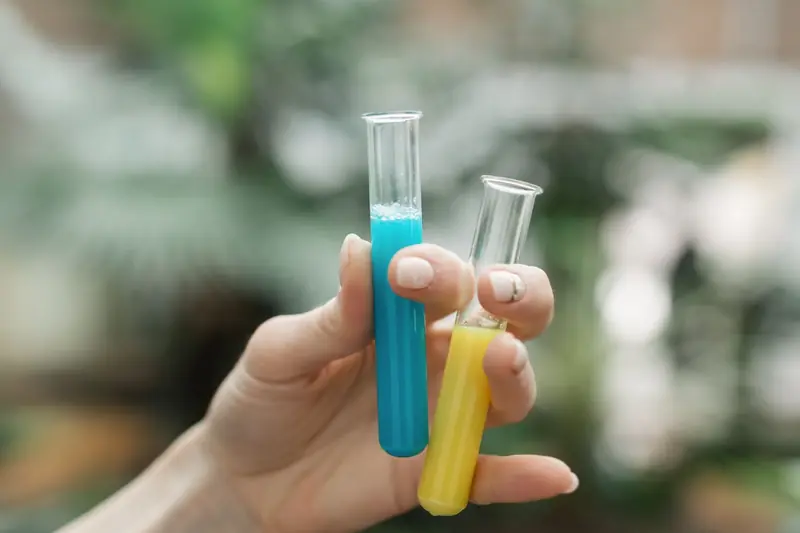
Best Pool Test Kits and Test Strips
Testing tells you whether the water is safe, and the kit you choose decides how accurate that answer is. The main choices are the method, which tests are covered, and whether the chlorine range handles a shock treatment. This page is for pool and hot tub owners who test often.
Jump to section
What we look for
Test method
the method decides how accurate the reading is.
What it tests
free chlorine and pH are the core readings, and extras matter for specific pools.
Chlorine range after shocking
high chlorine can read falsely low on some tests.
Accuracy
accuracy decides whether a reading is worth acting on.
Ease of reading
you need to read the result clearly to act on it.
Reagent shelf life and refills
old reagents give wrong readings and refills decide the running cost.
- Sources: manufacturer product pages, manuals and warranty terms, plus the CDC guidance on home pool and hot tub testing.
How to choose the right pool test kit
Choosing a kit comes down to method and range. Read pool chemistry for beginners to see which readings matter, and use how to shock a pool to know when you need the high range. Match the kit to your water. A pool needs free chlorine and pH readings, and a hot tub needs the same readings against a higher chlorine minimum. If you use cyanuric acid or a salt system, add those tests. Check the range for high chlorine if you shock the pool, and check the expiry date of the reagents. Our guide to pool chemistry basics lists the targets.
Test method
The CDC says a DPD kit is the most accurate option and that test strips are less accurate (CDC). Digital testers read the sample for you. Check the Method row, and see pool chemistry basics for how each method fits a routine.
What it tests
Check that the kit covers free chlorine, total chlorine, pH and alkalinity at least. Add cyanuric acid, calcium hardness and salt if they apply to your pool. Combined chlorine is total chlorine minus free chlorine, so you need both readings to work it out.
Chlorine range after shocking
Above 10 ppm the test can bleach out and show a falsely low or zero reading (CDC). If you shock the pool, check the maker's instructions for high chlorine and see how to shock a pool.
Accuracy
Method sets accuracy, so compare the Method row first. Check whether the kit lists a chlorine range and whether it reads combined chlorine. Follow the instructions for sample size and timing, since a reading taken the wrong way is no use.
Ease of reading
Compare how each kit shows the result: a color chart, counted drops or a digital readout. If you struggle to tell shades apart, check the Digital reader column.
Reagent shelf life and refills
Check whether the kit prints an expiry date and whether refills are sold. Old reagents can give unreliable readings, so check the date on each new bottle. Refills decide how many tests you get from the kit.
Tips for using your pool test kit
- Test chlorine and pH at least twice a day, and more often when many people use the pool or tub (CDC).
- Write down each reading and what you added. Follow the product label for every chemical dose.
- Check the expiry date on the reagents, and store them as the maker directs.
FAQ
Strips or a DPD kit?
The CDC puts a DPD kit first for accuracy and says strips are less accurate (CDC).
How often should I test?
At least twice a day for chlorine and pH, and more often when many people use the pool or tub, according to the CDC (CDC).
Why does chlorine read zero right after shocking?
Because very high chlorine can bleach the test. The CDC says that above 10 ppm the result may read falsely low or zero (CDC).
What should I aim for?
The CDC's targets: at least 1 ppm free chlorine in a pool, or 2 ppm if you use cyanuric acid; at least 3 ppm in a hot tub; and a pH between 7.0 and 7.8 in both (CDC).
Can a kit test a hot tub?
Check the Parameters tested column and the manual. A hot tub needs free chlorine of at least 3 ppm and a pH of 7.0 to 7.8 (CDC), so make sure the kit's range covers those readings.
What is combined chlorine?
It is total chlorine minus free chlorine, so you need a kit that reads both. Our guide to shocking a pool explains how it is used.
Does the kit need to test cyanuric acid?
If you use cyanuric acid, the CDC says chlorine should be at least 2 ppm, and it recommends not using cyanuric acid in hot tubs (CDC). Check the Parameters tested column for a cyanuric acid test.
Related
-
Buying guide
Best Saltwater Chlorine Generators for Pools
Pool rating, output, cell life and power type, side by side.
-
Buying guide
Best Robotic Pool Cleaners for Inground Pools
Pool size rating, coverage, power and filtration, side by side.
-
Guide
Pool Chemistry for Beginners: The Numbers That Keep Water Safe
The CDC chlorine and pH targets for pools and hot tubs, plus a weekly routine.
-
Guide
How to Shock a Pool Safely (and When You Need To)
Combined chlorine, the 10x rule, steps and chemical safety, from public-health sources.
-
Buying guide
Best Inflatable Hot Tubs
Seats, heater, jets, cover lock and winter limits, side by side.
-
Comparison
Saltwater vs Chlorine Pool: Costs, Care and Feel
How chlorine gets in, costs, weekly work and what stays the same.


Get the weekly pool and hot tub checklist
A one-page printable checklist with the CDC water targets and the safety checks to run every week. Free, and sized to stick on the pool shed door.